
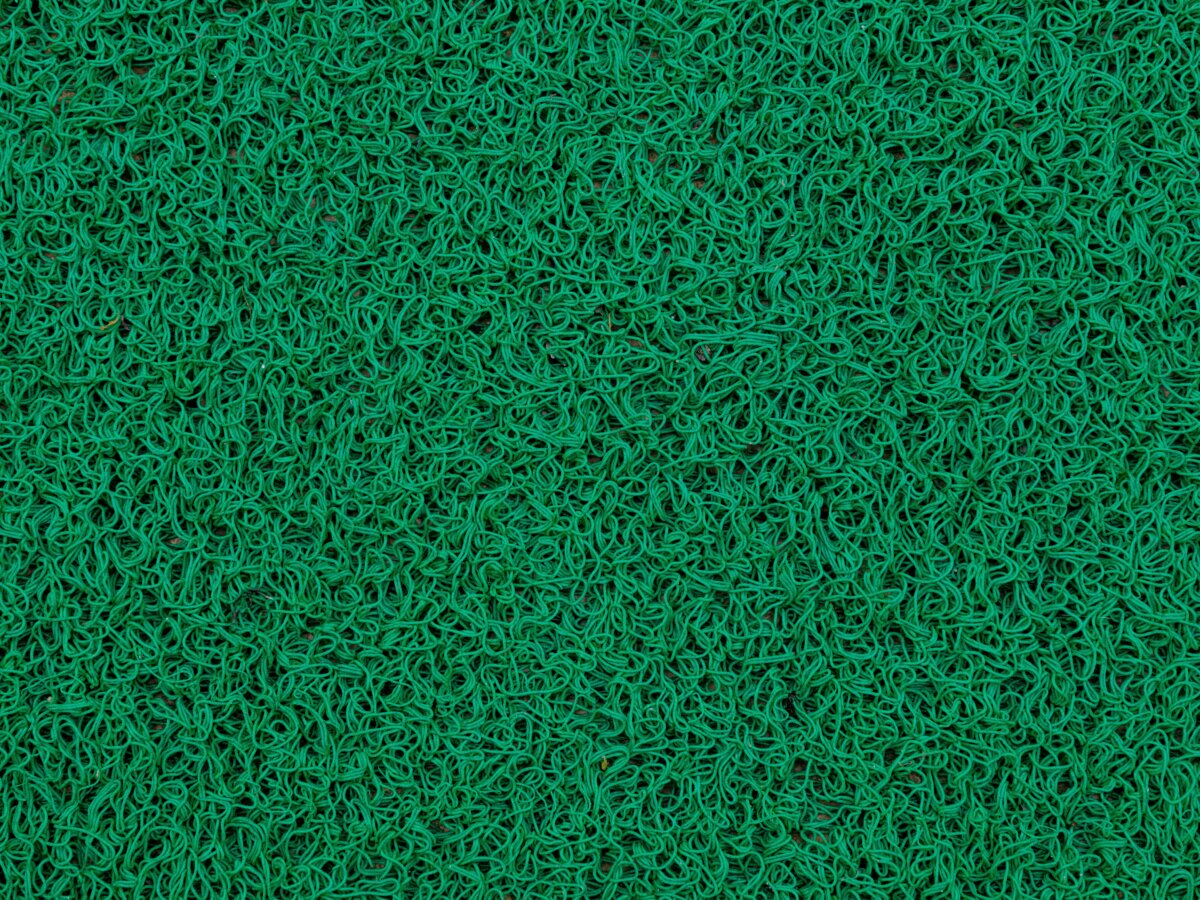
A new survey revealing the growing extent of synthetic turf in schools has exposed the heat in the debate of synthetic verses natural grass.
As recently reported in the Sydney Morning Herald, a significant 58 per cent of NSW public schools (1600 out of 2200 schools surveyed by the Department of Education) have installed synthetic turf. The first survey of its kind examining the prevalence of synthetic turf in the schools heightens concerns about health and environmental impacts.
Synthetic turf is becoming a highly contested issue in Australia, and is particularly controversial in regards to fields at primary and high schools. The backlash coming from parents and citizens is not being ameliorated by research and conclusions about safety.
Synthetic turf was originally created in the late 1950s as an alternative to natural turf, with high usage hours and low maintenance costs appearing to be a perfect solution. Now in 2026, the material has replaced natural turf in many locations.
However, there are both environmental and other concerns.
Microplastics have been found to enter waterways and bushlands directly from synthetic turf. The rubber crumb that makes up the infill (the plastic in between the plastic blades of grass) is made of recycled tyres. This material has been found to contain PFAs, also known as forever chemicals. With major flooding events that have been occurring more frequently, this crumb gets washed away into our environment. This directly negatively affects soil health and drinking water safety.
Burns caused by synthetic turf have become more frequent with research showing children burn faster than adults due to thinner and more sensitive skin.
Orthopedic injuries are also cause for worry, with mainly ankle and foot injury rates higher on synthetic turf than natural turf. These conclusions have been found at both the amateur and professional level, fostering issues for children involved in sports.
Adding to the controversial issue, the urban heat island effect has increased with implementation of more synthetic turf. Synthetic turf surface is consistently hotter than the surrounding area and natural turf. The material can reach up to 75 degrees Celsius on a hot day. This phenomenon occurs as synthetic turf holds and radiates heat, compared to natural turf that reflects it. Similar to the effects of concrete or asphalt, synthetic turf exacerbates the urban heat island effect.
The issue of synthetic versus natural turf becomes a debate not only about biodiversity, but also of environmental and human health. And there are overlaps. While monoculture grass is not the best option for species, the soil and moisture present under natural fields is more productive than stifling synthetic turf.
The heat surrounding this issue will no doubt only intensify.
Article by Katie Murray
Photo by Engin Akyurt: https://www.pexels.com/photo/top-close-up-view-of-artificial-grass-15270376/