
Australia is known for its incredibly diverse flora and fauna. In fact, 85 per cent of Australia’s plant species are endemic, meaning that they cannot be found anywhere else in the world. Australia is also home to half of the world’s marsupial species, according to the 2021 Australia State of the Environment.
It’s no surprise that visitors to this vast nation frequently look forward to seeing the ‘Aussie Big 5’. This list includes Australia’s five most iconic native wildlife: kangaroos, koalas, wombats, platypuses, and freshwater crocodiles.
Of course, travelers are unlikely to see these amazing species in one place – and, unlike conveyed in folklore, will generally not see a kangaroo hopping through city streets!
We have decided to shine the spotlight on the ‘Urban Aussie Big 5!’ You may see them at Sydney’s Circular Quay or in Melbourne’s CBD. This selection of species can be spotted flying through local green spaces or sleeping in trees.


- Rainbow Lorikeet - The rainbow lorikeet, or Trichoglossus moluccanus, is an unmistakable hallmark of Australia’s unique bird species. Lorikeets can be found in coastal regions across eastern Australia and sparsely around Perth and Tasmania. Rainbow lorikeets use their brush-tipped tongues, lined with paintbrush-like bristles, to gather nectar and pollen. Look out for lorikeets hiding in eucalyptus trees, urban parks, and gardens - or listen for their distinctive screeching call!
- Water Dragon - Perhaps the oldest creature on our list – the water dragon – has inhabited Australia for 20 million years. There are two subspecies of water dragon in Australia: the Gippsland water dragon and the Eastern water dragon. The Eastern can be found along the east coast as far south as Kangaroo Valley. From there, the Gippsland water dragon takes over, reaching as far south as Adelaide. You can identify water dragons by their large size, spiky backs, and black-banded skin. While water dragons do not pollinate in the same way as bees or birds, their foraging technique plays an important role in seed dispersal. Catch the water dragon sunbathing on rocks, concrete, or hanging out on tree branches in botanical gardens or near water sources.
- Grey-headed Flying Fox - The grey-headed flying fox is one of the world’s largest bats, with a wingspan measuring up to one metre! Along with a wide wingspan, the flying fox can also be identified by its grey head, dark body, and red fur collar appearing around its neck. These fascinating nocturnal creatures are endemic to Australia and can be found primarily along the south-east coast. The easiest way to spot the grey-headed flying fox is to look up at dusk around wooded areas, where these nocturnal pollinators begin their nightly feeding. They are particularly important in pollinating eucalyptus, fig, bottlebrush, and palm trees.
- Common Brushtail Possum - Another nocturnal animal, the adorable brushtail possum, is prevalent across Australia. The brushtail possum can be identified by its yellowish fur, bushy tail, and round eyes. Its scientific name, Trichosurus vulpecula, means ‘furry-tailed little fox’. These small marsupials are vital to the ecosystems of Australia, as they transfer pollen between plants when moving through the tree canopy in search of food. While the brushtail possum burrows in trees during the day, you may be able to spot them at night in city parks or home gardens.
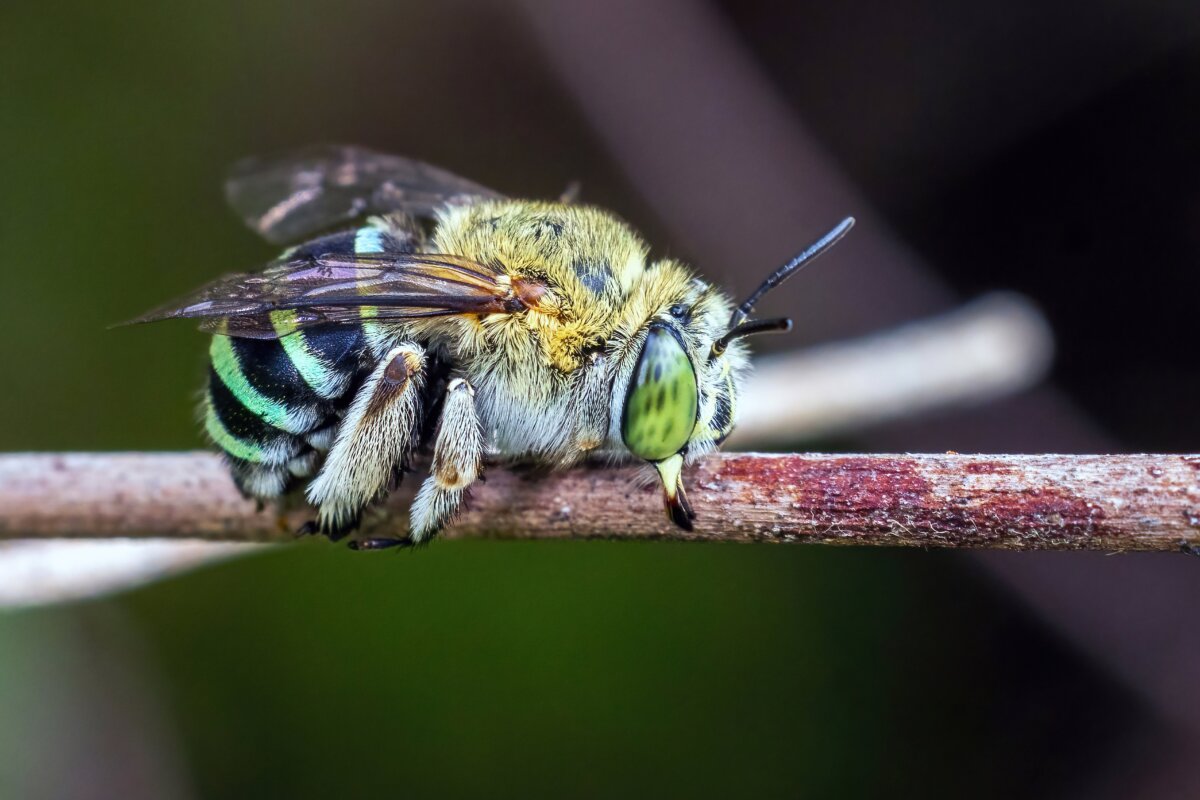
- Blue-banded Bee - Don’t let their size fool you: the blue-banded bee is one of the most important and fascinating native pollinators in Australia. These bees are considered buzz pollinators, meaning they release pollen from flowers using high-frequency vibrations to shake the pollen out. You can spot the bee by looking for its iconic bright blue stripes. Unlike the European honeybee, the blue-banded bee does not live in a traditional hive - instead, they nest in soil-based burrows made of clay or sandstone. Look for these unique creatures hovering over local flora – particularly purple-coloured flowers – on warm, sunny days
So, while you will certainly find the faux synthetic variety of kangaroos and koalas in gift shops, true urban wildlife is hiding in plain sight. From the multi-coloured feathers of the rainbow lorikeet to the brushtail possum’s bushy tail, these fascinating creatures are leaving their mark - and showing that Australia’s incredible biodiversity is all around us.
Wildlife is not restricted to remote bush areas. It can be found walking through local gardens, hidden among the gum trees, or even strolling along the footpath. So, the next time you are venturing through the streets of Australia’s most crowded city centres, look around. Arguably the real ‘Aussie Big 5’ might be flying above you, sunbathing next to you, or taking a snooze in the tree across from you - a testament to the amazing wildlife that makes this beautiful land so special.
Story by Adilyn Page
Image credits:
1. Image by Penelope from Pixabay
2. Image by Walter Coppola from Pixabay
3. Image by Jose Miguel Guardeño from Pixabay
4. Image by PublicDomainPictures from Pixabay
5. Image by David Clode from Pixabay