
What is plant blindness?
Plant awareness disparity, often referred to as PAD or simply plant blindness, is the human tendency to overlook plants in one’s own environment. This phenomenon is especially prevalent in the presence of animals, where people tend to view animals as more “alive” than other plants. Plant blindness does not mean that people are unable to physically see plants. Rather, it refers to humans grouping together plants as a green backdrop for animals to exist in. We recognise plants, but we don’t truly see them.
Plant blindness was first coined in the United States in 1999 by James Wandersee and Elisabeth Schussler. The study observed that in American education systems, students preferred to examine animals over plants in their biology classes. Plant blindness starts at a young age, and stays throughout our lives.
Why is it harmful?
At first learning about plant blindness, it might seem harmless. However, our ignorance of plants contributes to much larger issues of biodiversity loss and climate change. A failure to notice plants leads to people overlooking the essential role that they play in the foundation of all life.
Plants don’t exist solely for the purpose of a beautiful backdrop. They are the primary source of oxygen, food, and shelter on the planet. A decline in the biodiversity of plants means that entire ecosystems would start to break down. This puts animals at risk of losing both their food source and their home. Biodiversity loss often begins with plant loss and cycles up the food chain to affect each living organism in an ecosystem.
People are likely to pay attention to the term “endangered” in reference to animals—after all, future generations should have the privilege of existing alongside orangutans, polar bears, and elephants. However, in order for these animals to thrive in the wild again, they need habitable land and plentiful food. These endangered species’ survival relies on a functioning plant ecosystem. Without the right food source and shelter, these animals will continue to be endangered.
Lastly, plant blindness is a phenomenon easy to identify in the media. News outlets and organizations are focused on the conservation of animals, where conservation efforts toward plant species receive far less media attention. In the face of plant extinction, the lack of publicity means that decline can fly under the radar. The disappearance of plant biodiversity directly relates to climate change and reduced ecosystem resilience.
How does PS help combat it?
Combatting plant awareness disparity requires education, awareness, and a change in mindset. PlantingSeeds plays an important role in drawing attention to plant awareness through the B&B Highway program. During incursions, students are guided to observe plants in their own schoolyard. Students are then encouraged to identify species, leading them to understand the link between plants and the attraction of pollinators. This approach emphasises a perspective shift in the ability to interact with and recognise plants in the environment.
PlantingSeeds also fosters curiosity and instills a sense of care in students through teaching students about planting native species. Students are taught about the vital role their assigned plant will play in the school’s environment before learning how to plant it. This connection creates a sense of ownership and helps students to continue caring for and paying attention to their “special” plant.
Incorporating plant-based learning into schools increases student understanding of the vital role plants play in supporting many different forms of life. With the right perspective changes, plant blindness can transform into awareness and a deeper understanding of how plants function within ecosystems. Through education programs, media coverage, and events, PlantingSeeds highlights the importance of plants in sustaining life. By shifting our view of plants from background to foundation, we can begin to protect the biodiversity and ecosystem that all life depends on.
Article by Adilyn Page
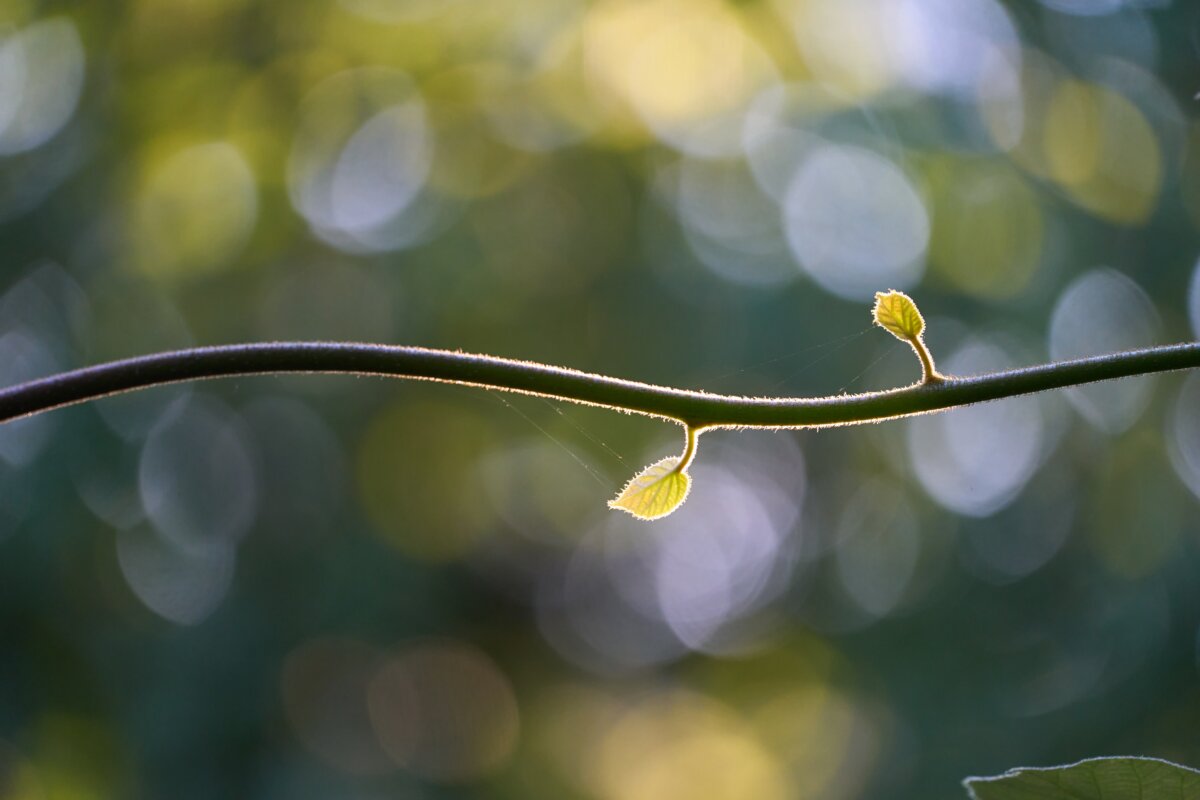
Image by Wolfgang_Hasselmann from Pixabay