

Articles
B&B Highway
-
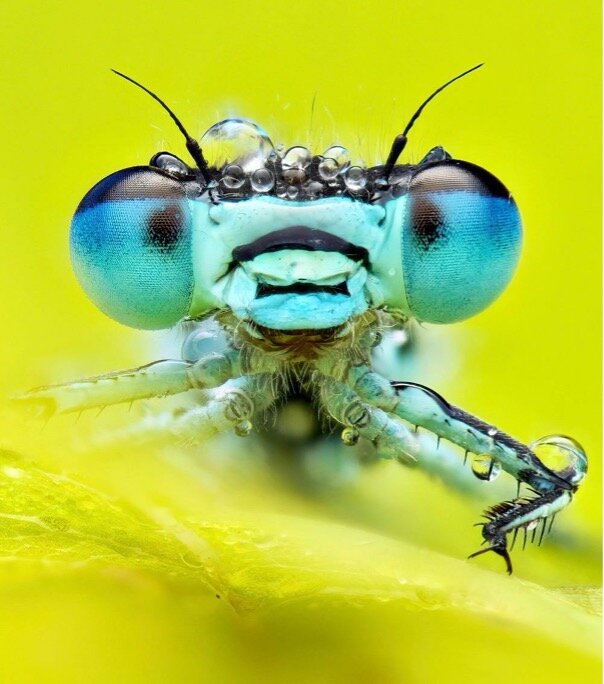
A strategy to cut through ecoanxiety & the infoglut
At PlantingSeeds we are all passionate about what we do. We know the threats to our environment, to our native plant, insect and animal species and we know that there are immediate practical actions we can take to mitigate the harms and build a diverse and secure future. But there’s a further challenge: how do […]
-

PlantingSeeds – Alignment with United Nations Sustainable Development Goals
By increasing biodiversity and pollinator numbers through the B&B Highway program, PlantingSeeds aligns with the following United Nations Sustainable Development Goals (SDGs). Direct Alignments SDG 3: Good Health and Well-Being Supporting physical and mental health through connections with nature Improving wellbeing through community action Greening initiatives to reduce urban heat island effects SDG 9: Industry, […]
-
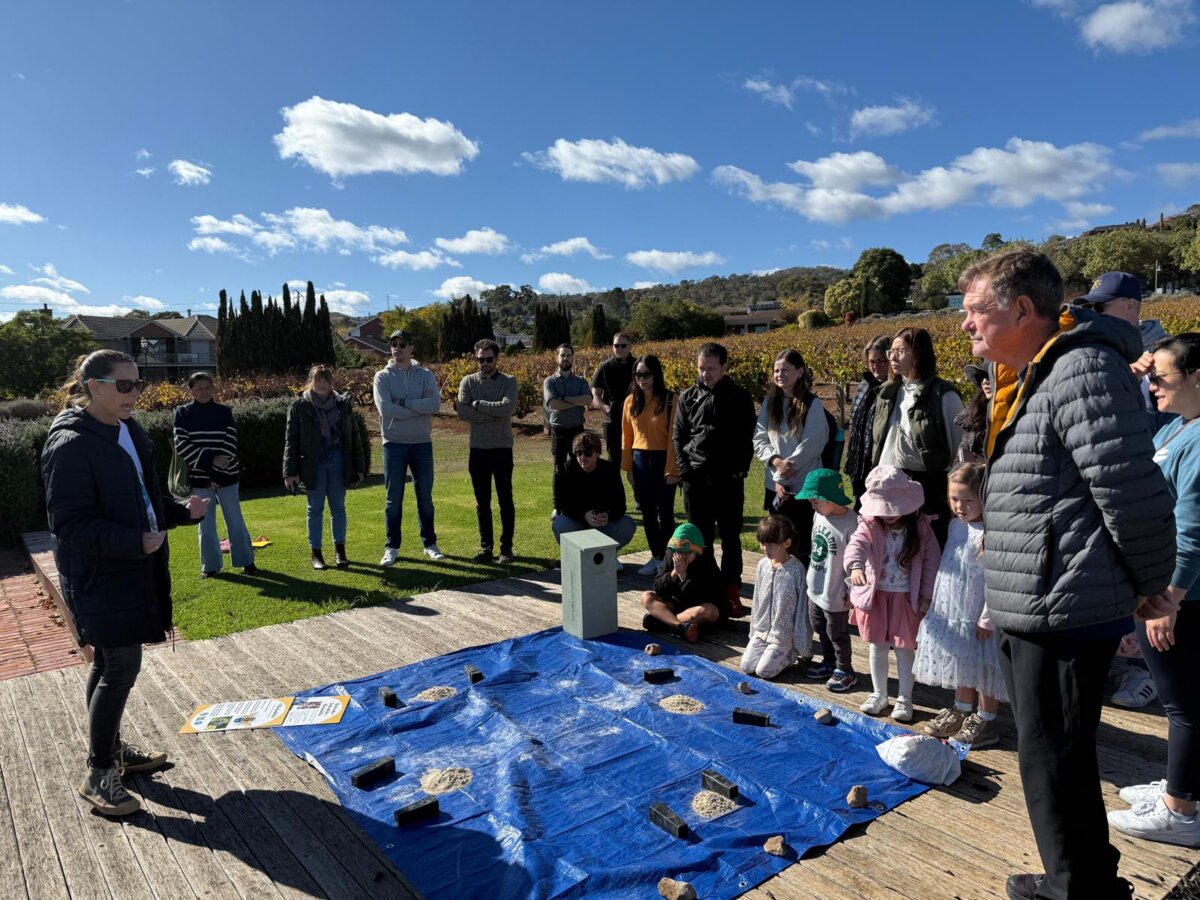
Making outside learning in
In case you needed convincing - or if you need some research to convince others of the benefits of outdoor learning, some recent studies present compelling evidence of why we need to get students outdoors. Brain development, physical development, emotional regulation, appreciation for nature that is urgently needed in a world where disconnection is rife… […]
-
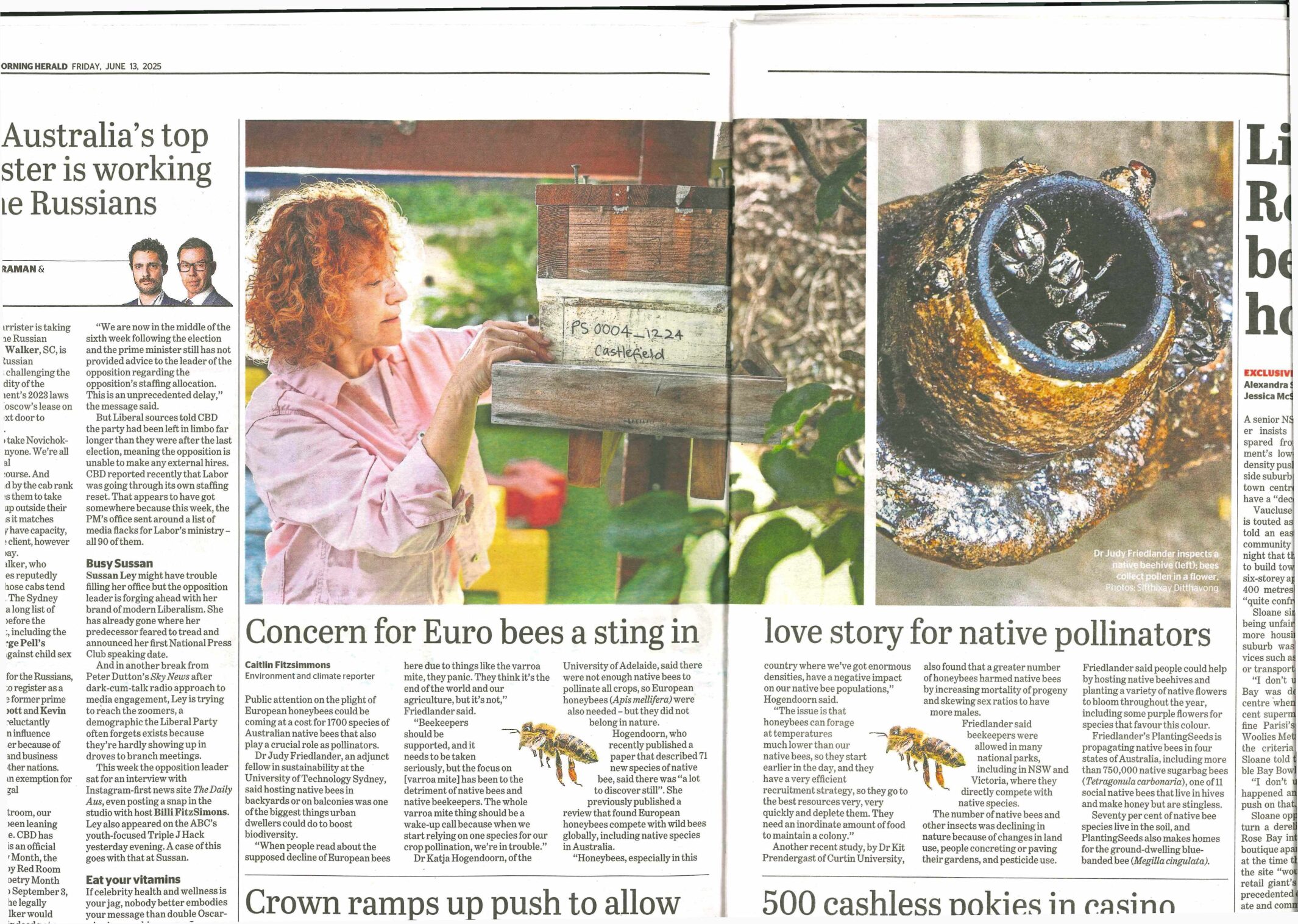
Native Bees in the news
One of PlantingSeeds’ missions – to support and propagate native bees – was the key focus of a recent Sydney Morning Herald and The Age feature. With mid-year’s World Bee Day generally shining the spotlight on the yellow and black European bee, we choose this time to promote our 1700 + native bee species to […]
-

Bringing back the Bogong Moth
The bogong moth (Agrotis infusa), once an abundant presence in the Australian skies, is now vanishing. Known for its extraordinary migratory patterns and revered in Aboriginal culture, this unassuming insect plays a vital role in both ecological balance and Indigenous heritage. But in recent decades, the bogong moth has faced a dramatic population collapse and […]
-
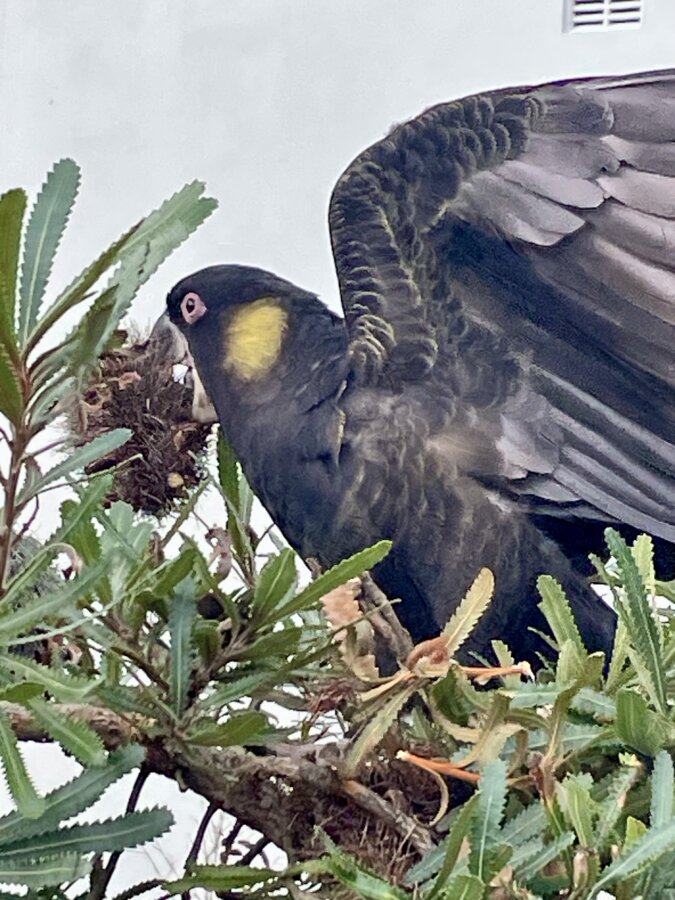
Follow the rain - the yellow-tailed black cockatoo
Have you noticed different bird species appearing in seasons that are different to your childhood memories? Sydneysiders will have noticed the yellow-tailed black cockatoo in greater numbers in summer. In the Sydney region, they have traditionally been more visible during cooler months, but in recent years, their presence has been increasingly recorded during summer. This […]