

Articles
B&B Highway
-
Understanding and Combating Plant Blindness
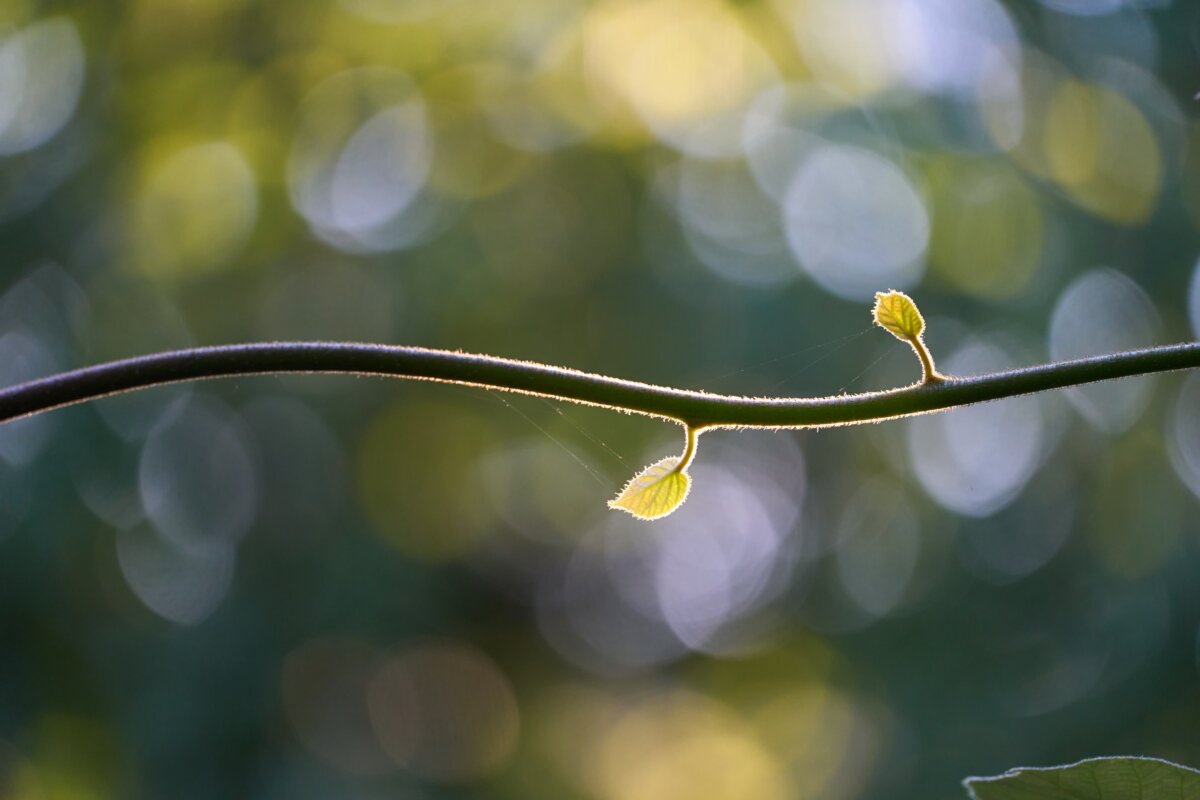
What is plant blindness? Plant awareness disparity, often referred to as PAD or simply plant blindness, is the human tendency to overlook plants in one’s own environment. This phenomenon is especially prevalent in the presence of animals, where people tend to view animals as more “alive” than other plants. Plant blindness does not mean that people are unable to physically see plants. Rather, it refers to humans grouping together plants as a green backdrop for animals to exist in. We recognise plants, but we don’t truly see them. Plant blindness was first coined in the United States in 1999 by…
-
Zoning in on the ozone solution: Lessons for other environmental challenges
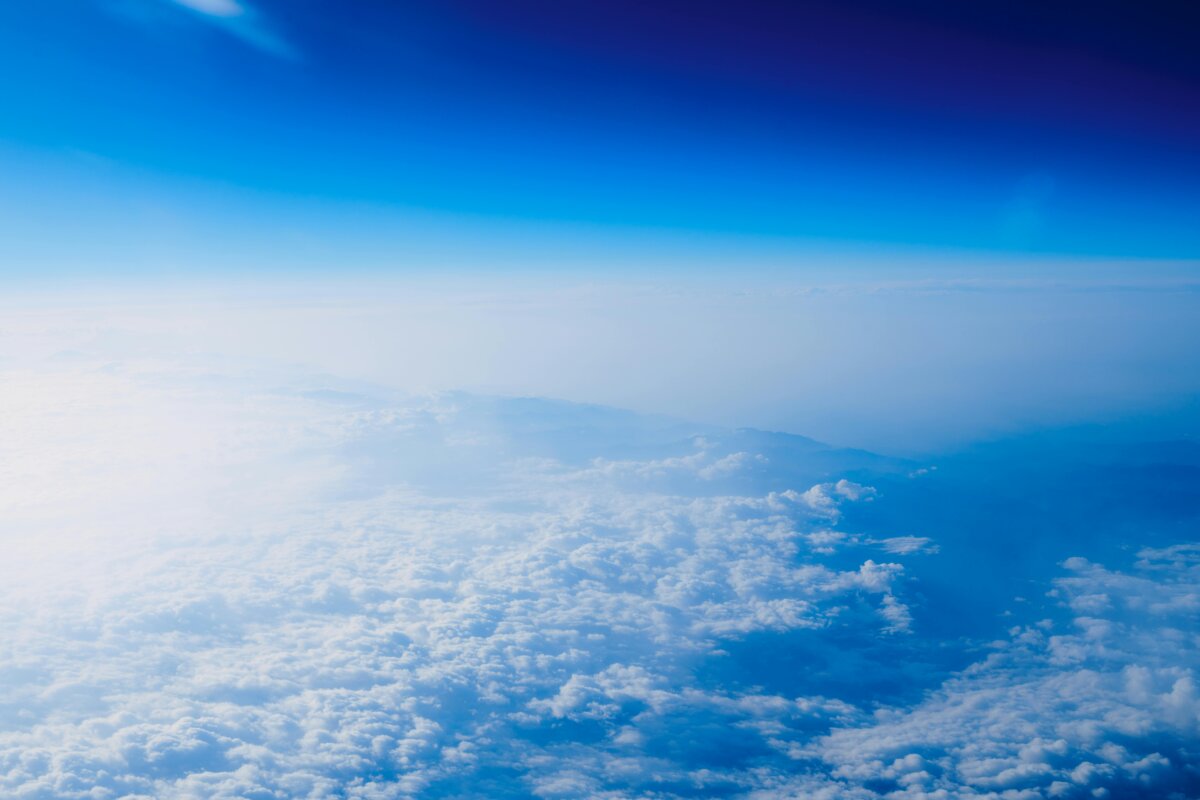
The healing of the ozone layer with over 99 per cent of ozone-depleting substances phased out is often cited as an excellent example of how humanity can work together to counter environmental problems. Restoring ozone in the atmosphere is seen as a major success in the scientific and nonscientific world for fighting back on human-related climate change. While ozone depletion involves the protective layer in the stratosphere, it acts as a climate issue because the chemicals causing it (such as CFCs) are also potent greenhouse gases that trap heat. Additionally, the ozone hole affects atmospheric circulation, specifically cooling the Antarctic…
-
Flying foxes’ key role for our Eucalypt forests
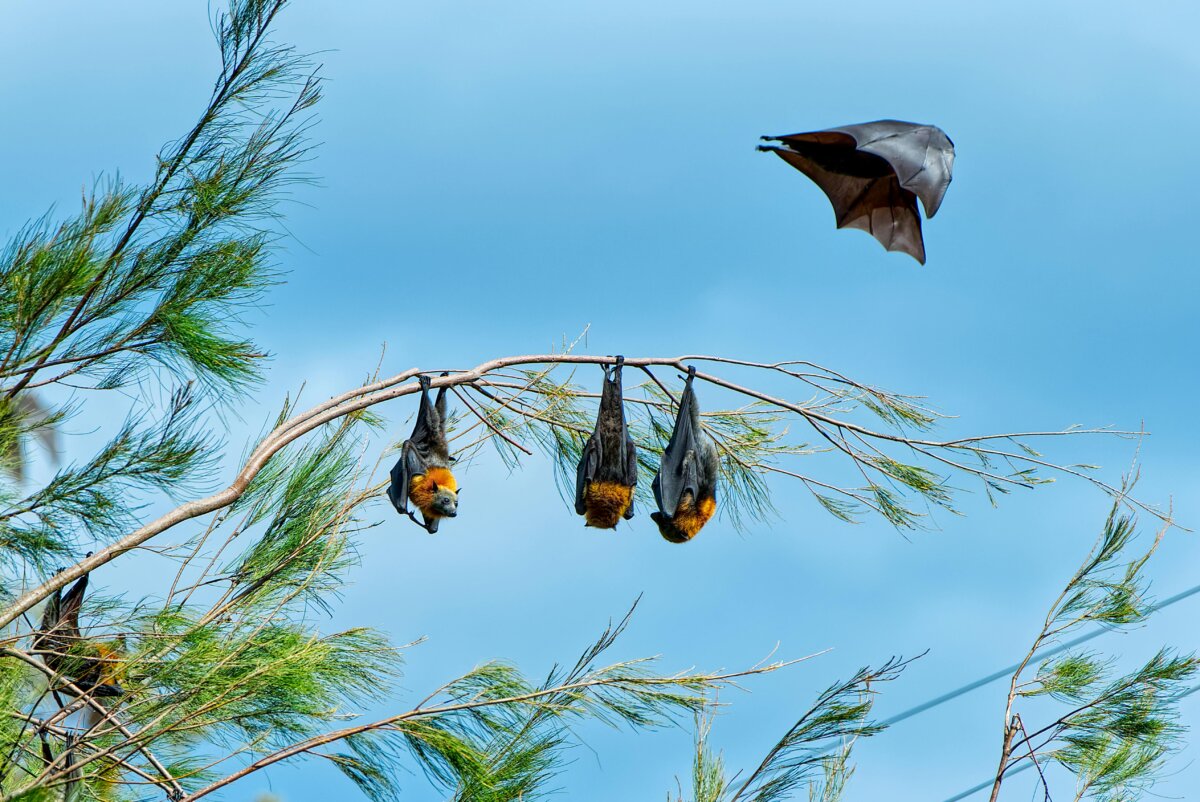
As recently reported in the New York Times, Australia’s flying foxes are very much underestimated and under-appreciated. While local environmental experts have been singing their praises for decades, a new study published in Scientific Reports points to the fact that flying foxes, through the dispersal of seeds, are responsible for the creation of more than 91 million trees, a majority of them eucalypts. For Australia’s economy, that means somewhere in the range of $195 million to $673 million per year contributed by the bats. This case study, conducted by Gonzalez, Possingham, Biggs, et al., is the first of its kind…
-
The Urban Aussie Big 5
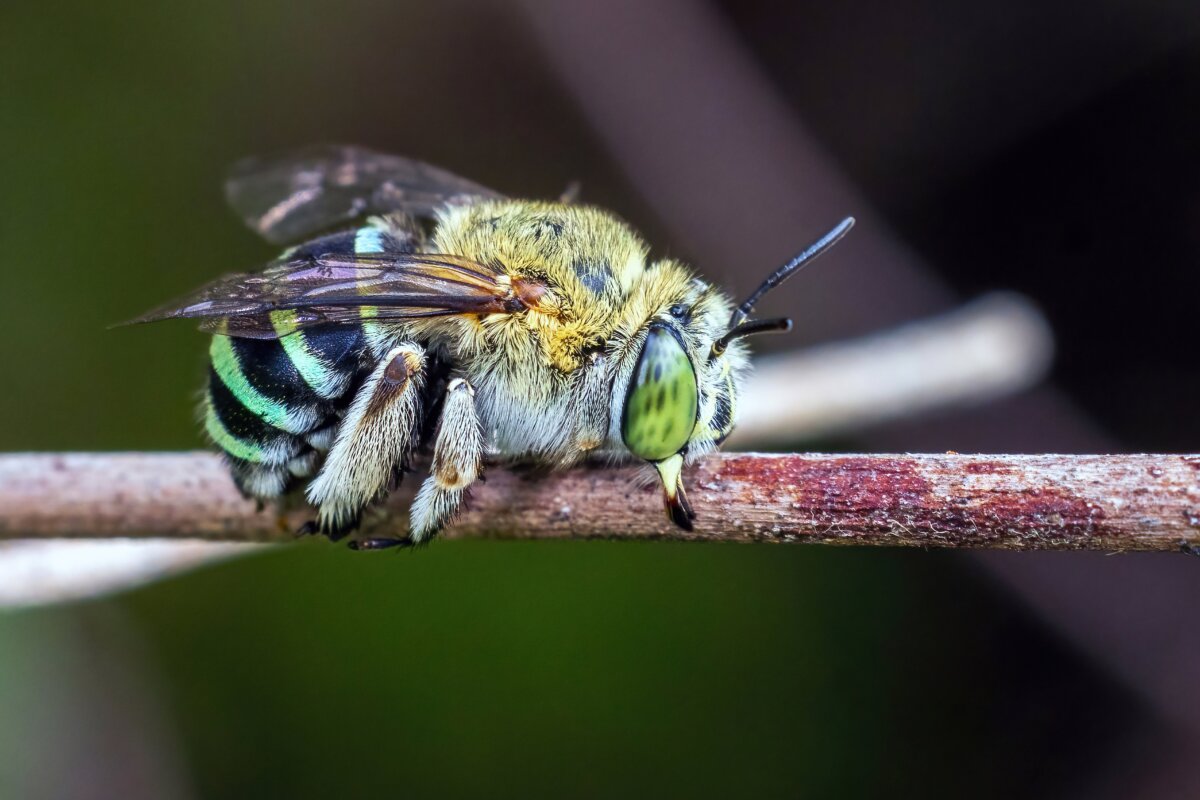
Australia is known for its incredibly diverse flora and fauna. In fact, 85 per cent of Australia’s plant species are endemic, meaning that they cannot be found anywhere else in the world. Australia is also home to half of the world’s marsupial species, according to the 2021 Australia State of the Environment. It’s no surprise that visitors to this vast nation frequently look forward to seeing the ‘Aussie Big 5’. This list includes Australia’s five most iconic native wildlife: kangaroos, koalas, wombats, platypuses, and freshwater crocodiles. Of course, travelers are unlikely to see these amazing species in one place –…
-
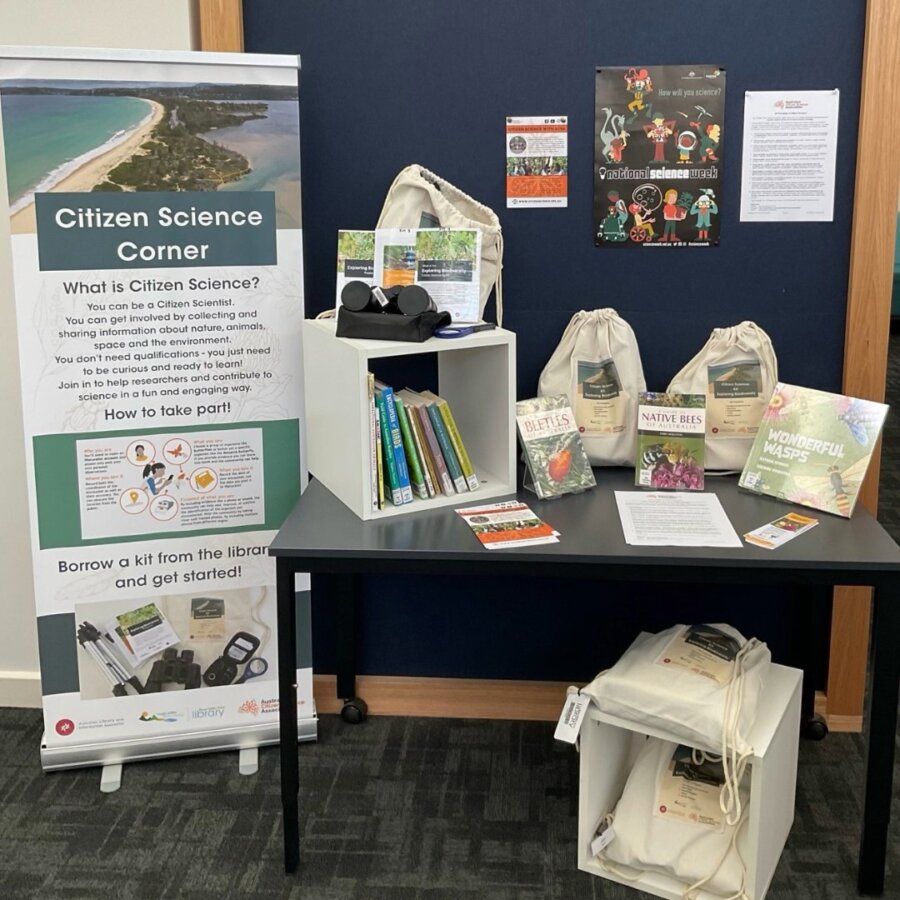
Citizen Science Corners: Bridging Public Accessibility and Scientific Contribution
Magnifying glasses, books and activity guides are just a few of the things you’ll see when you walk up to a Citizen’s Science Corner. These displays are dedicated spaces housed in public libraries that feature books on local flora and fauna, interactive kits, and step-by-step guides that facilitate contribution to real, ongoing research projects. These growing displays are a collaborative effort between the Australian Library and Information Association (ALIA) and the Australian Citizen Science Association (ACSA). The idea was developed by Dr Bridie Schultz, Vice Chair of the ACSA and co-founder of teachSTEM Ltd, in partnership with Dr Helen Weston,…
-

PlantingSeeds’ B&B Highway research reveals boost to urban biodiversity
The numbers are in. Recent biodiversity research by PlantingSeeds has found its B&B Highway program creates positive changes in biodiversity richness and abundance at a number of Australian school sites. Across all assessed sites, pollinator species richness increased on average by 25 to 33 per cent, demonstrating a consistent trend of ecological improvement. Studies were conducted from 2023 to 2025 at Carlton South Public School, Connells Point Public School, Blakehurst High School and at Yowie Bay Public School in the Georges River area of Sydney, NSW. Key findings Across all assessed sites with complete pre- and post- data, pollinator species…